
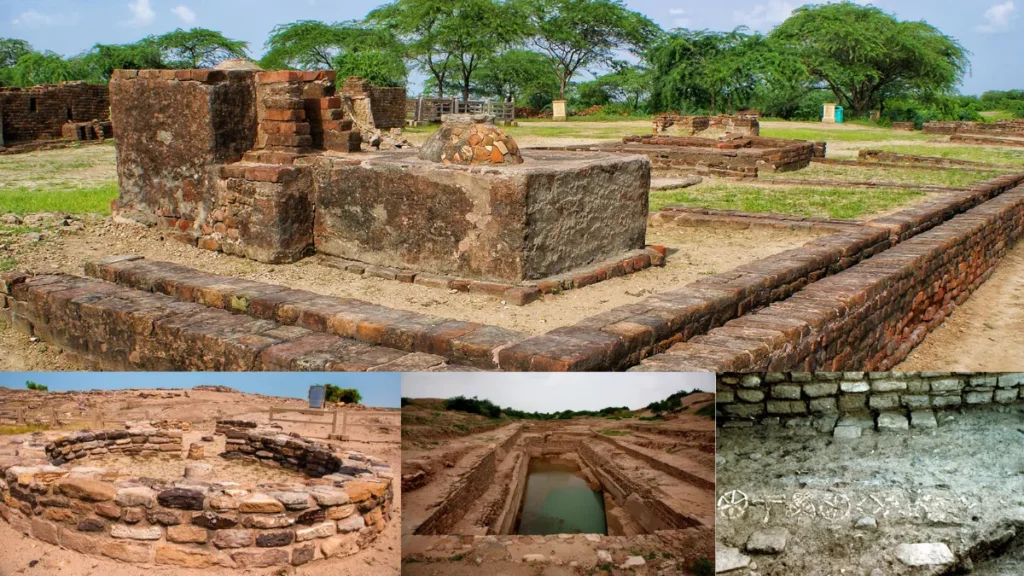
Dholavira vs Lothal is a fascinating topic that helps us understand the brilliance of the ancient Indus Valley Civilization and how different cities developed unique identities while sharing a common culture.
Both Dholavira and Lothal were important urban centers of the Indus Valley Civilization, yet they differed in location, structure, purpose, and innovations. While Dholavira is known for its advanced water management system, Lothal gained fame as one of the world’s earliest dockyard cities.
In this detailed article, we will explore the key differences and similarities between Dholavira and Lothal in a simple and easy-to-understand way.
Introduction to Dholavira and Lothal
What is Dholavira
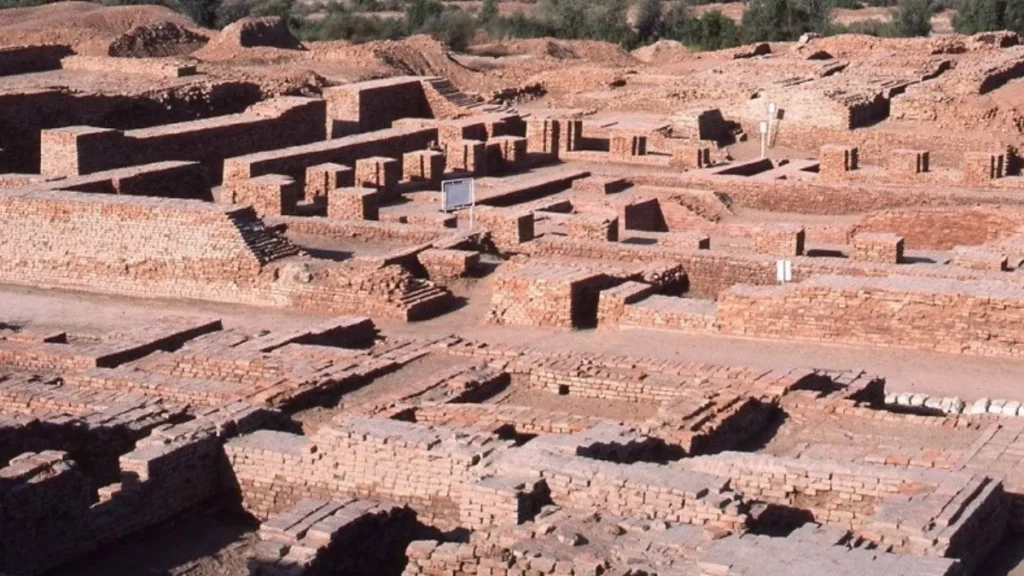
Dholavira is one of the most remarkable archaeological sites of the Indus Valley Civilization, located in the Rann of Kutch in Gujarat. It is known for its well-planned city layout, massive reservoirs, and unique water conservation system. The city reflects advanced engineering skills and a deep understanding of environmental challenges.
What is Lothal
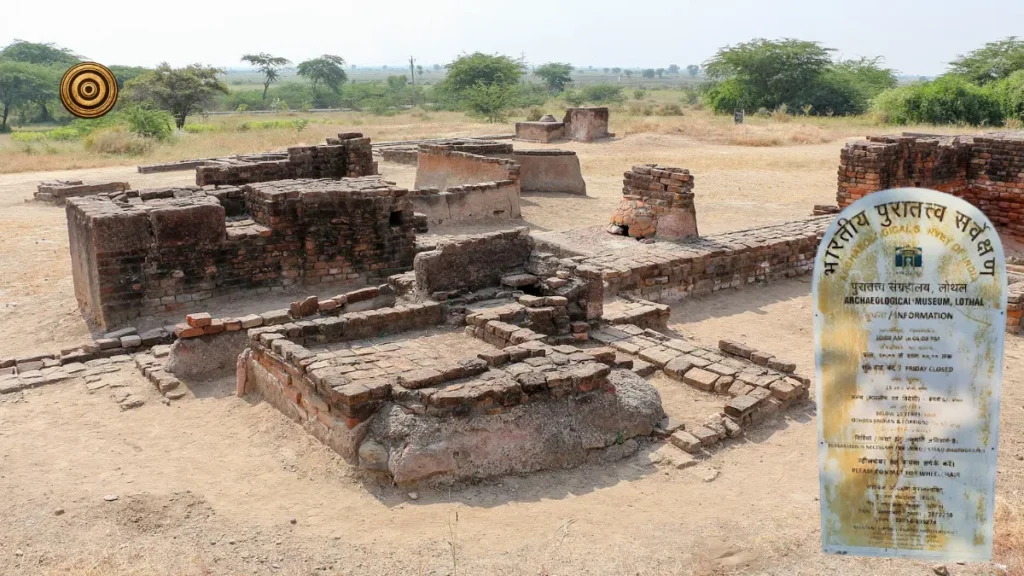
Lothal is another important Harappan site located near the Gulf of Khambhat in Gujarat. It is widely believed to have been a major trading port. The presence of a dockyard, warehouses, and trade artifacts suggests that Lothal played a key role in maritime trade and commerce.
Dholavira vs Lothal: Key Differences
Location and Geography
One of the main differences in the Dholavira vs Lothal comparison lies in their geographical setting.
Dholavira is located in a dry and desert-like region of Kutch. Water was scarce, which led the people to develop advanced systems for collecting and storing rainwater. The city was surrounded by seasonal streams, and its planners made excellent use of them.
In contrast, Lothal was situated near a river connected to the sea. Its location made it ideal for trade and transportation. The proximity to water routes allowed Lothal to become a center for commerce and interaction with distant regions.
Purpose and Function
Dholavira and Lothal served different purposes within the Indus Valley Civilization.
Dholavira appears to have been a well-developed urban settlement with administrative, residential, and possibly ceremonial functions. Its large public spaces and structured planning suggest it was an important cultural and political center.
Lothal, on the other hand, functioned mainly as a trade hub. The presence of a dockyard indicates that ships likely arrived here carrying goods. It connected the Indus Valley Civilization with other ancient cultures, possibly including Mesopotamia.
City Planning and Architecture
In the discussion of Dholavira vs Lothal, city planning is a major point of comparison.
Dholavira stands out for its unique three-part division: the citadel, middle town, and lower town. The city was fortified and built using stone, which is rare for Harappan sites. The use of stone construction shows adaptation to local resources.
Lothal followed a more typical Harappan grid pattern with streets intersecting at right angles. It had a well-organized drainage system and residential areas. However, its most striking feature was the dockyard, which is considered one of the earliest known in the world.
Water Management System
Water management is where Dholavira truly shines in the Dholavira vs Lothal comparison.
Dholavira had an advanced system of reservoirs, dams, and channels to collect rainwater. These structures helped the city survive in a harsh environment. The people showed a deep understanding of water conservation.
Lothal also had drainage systems and wells, but it did not require large-scale water storage like Dholavira. Its proximity to water sources made it less dependent on complex water harvesting methods.
Trade and Economy
Trade was central to Lothal’s identity.
Lothal was a major center for trade, with evidence of beads, ornaments, and seals. The dockyard suggests active trade with distant lands. It played a key role in economic activities of the Indus Valley Civilization.
Dholavira also participated in trade, but it was not primarily a port city. Its economy was likely based on agriculture, local crafts, and internal trade networks.
Use of Materials
Another important difference in Dholavira vs Lothal is the building material used.
Dholavira used stone extensively for construction, which made its structures more durable. This is one of the reasons why many parts of the city are still visible today.
Lothal mainly used baked bricks, which were commonly used in other Harappan cities. While effective, they are less durable compared to stone over long periods.
Similarities Between Dholavira and Lothal
Part of the Same Civilization
Both Dholavira and Lothal were part of the Indus Valley Civilization. They shared cultural traits such as standardized weights, seals, and urban planning principles.
Advanced Urban Planning
Despite their differences, both cities show a high level of planning. Streets were organized, drainage systems were efficient, and public spaces were carefully designed.
Use of Technology
Both cities used advanced techniques for construction and management. Whether it was water conservation in Dholavira or dockyard engineering in Lothal, both demonstrate remarkable innovation.
Craft and Industry
Artifacts found at both sites indicate skilled craftsmanship. Bead-making, pottery, and metallurgy were common in both places.
Importance of Dholavira in History
Dholavira holds a special place in history due to its unique features. It shows how ancient people adapted to extreme environmental conditions. The large reservoirs and water channels are examples of sustainable living practices.
It is also known for one of the earliest signboards with Indus script, suggesting the use of written communication.
Importance of Lothal in History
Lothal is important because it highlights the trade and maritime capabilities of the Indus Valley Civilization. The dockyard is a major discovery that proves the existence of organized sea trade in ancient times.
It also provides evidence of connections with other civilizations, making it a key site for understanding ancient global trade networks.
Dholavira vs Lothal: Which is More Advanced
It is difficult to say which city is more advanced because both excelled in different areas.
Dholavira was more advanced in water management and urban planning suited to a harsh environment. It shows how people could survive and thrive even in difficult conditions.
Lothal was more advanced in trade, navigation, and economic activities. It shows how ancient civilizations connected with the wider world.
Instead of comparing which is better, it is more meaningful to understand how both cities contributed differently to the growth of the Indus Valley Civilization.
Archaeological Discoveries and Research
Excavations at both sites have provided valuable insights into ancient life.
At Dholavira, archaeologists discovered massive water reservoirs, gateways, and inscriptions. These findings highlight the city’s complexity and organization.
At Lothal, discoveries include the dockyard, warehouses, and trade goods. These findings confirm its role as a major trading center.
These discoveries continue to attract researchers and historians from around the world.
Tourism and Cultural Significance
Today, both Dholavira and Lothal are important tourist destinations in Gujarat.
Dholavira offers a unique experience with its vast landscape and ancient ruins. Visitors can see the remains of reservoirs and city walls.
Lothal attracts visitors interested in maritime history and ancient trade. The museum at the site displays many artifacts found during excavations.
Both places help people connect with India’s rich and ancient heritage.
Also Read: Dholavira: Discover the Ancient Wonder of the Indus Valley Civilization
Why Dholavira vs Lothal Matters Today
Understanding Dholavira vs Lothal is not just about history. It also teaches important lessons for modern times.
Dholavira teaches us the importance of water conservation and sustainable living. In a world facing water scarcity, its techniques are highly relevant.
Lothal teaches us about trade, connectivity, and economic development. It shows how interaction with other regions can lead to growth and prosperity.
These lessons make both cities important even today.
Also Read: Dholavira History: Discover the Ancient City of the Indus Valley Civilization
Conclusion
Dholavira vs Lothal is a powerful comparison that highlights the diversity and brilliance of the Indus Valley Civilization. While Dholavira stands as a symbol of environmental adaptation and water management, Lothal represents trade, innovation, and global connection.
Both cities reflect the intelligence and creativity of ancient people. They remind us that even thousands of years ago, humans were capable of building advanced societies with smart planning and sustainable practices.
By studying Dholavira and Lothal, we not only learn about the past but also gain insights that can help shape a better future.